
The argument in favor of using filler text goes something like this: If you use any real content in the Consulting Process anytime you reach.


Attract Moths and Bats with Night-Friendly Planting

Why the garden comes alive after dark
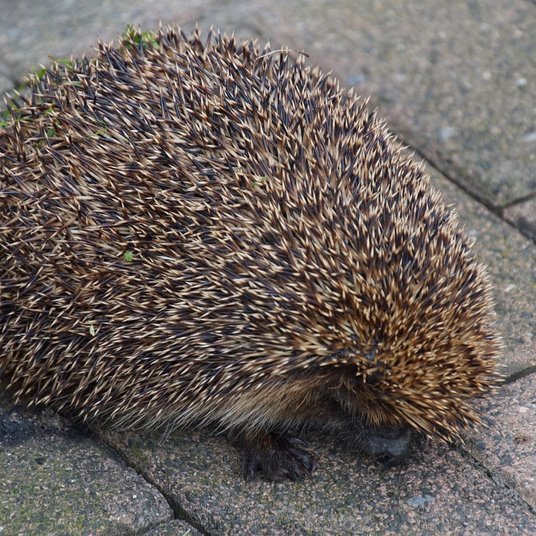
Most of us judge a garden in daylight, but the richest hour is often the one we miss. As the light fades, a second shift arrives: moths drifting in from hedgerows, bats flicking over the lawn, hedgehogs shuffling along the border edge. Your plot stops being a static view and becomes a feeding station.
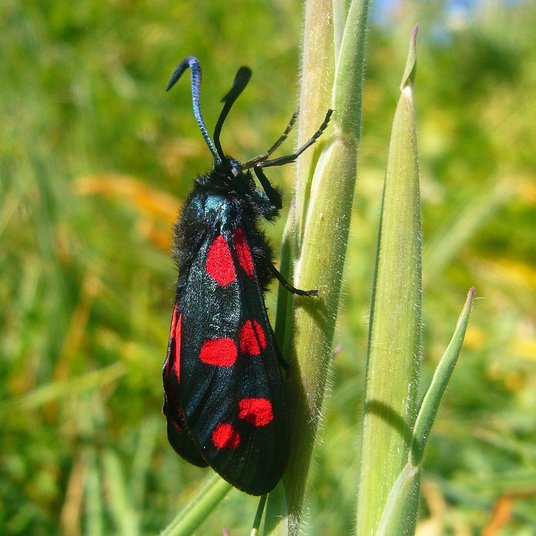
The chain is simple and worth building deliberately. Night-scented flowers produce nectar for moths. Moths, and the caterpillars they come from, feed bats. A single common pipistrelle can eat around 3,000 small insects in a night, so a garden with a decent moth population is doing serious ecological work. The good news is that all of this happens in even a modest back garden, provided you plant the right things and resist tidying too hard.
Night-scented flowers that earn their keep
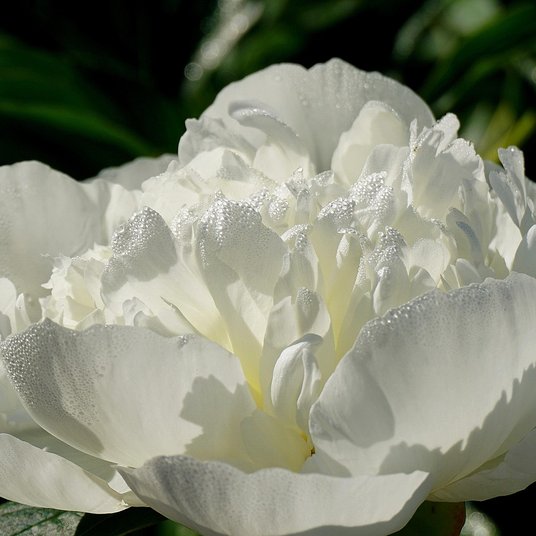
Moths find flowers by scent rather than sight, so fragrance matters far more than colour. That said, pale flowers reflect moonlight and are easier to locate, which is why so many evening plants are white or cream. Long-tongued moths such as the elephant hawk-moth favour deep, tubular flowers they can probe from a hover.
- Night-scented stock (Matthiola bicornis): unremarkable by day, almost overwhelming by dusk. Scatter seed in April and again in June for a long season.
- Evening primrose (Oenothera biennis): pale yellow flowers that open visibly in the evening, a magnet for hawk-moths.
- Tobacco plant (Nicotiana): the tall white forms are far more fragrant than the compact bedding types. Grow from seed for scent you can smell from the kitchen door.
- Common honeysuckle (Lonicera periclymenum): a British native, scrambling through a hedge or over an arch, flowering into autumn.
- Sweet rocket (Hesperis matronalis): a cottage-garden biennial that seeds itself about obligingly.
- White campion, bladder campion and soapwort: native or long-naturalised, unfussy and generous with nectar.
- Night phlox (Zaluzianskya ovata): a compact tender perennial that closes by day and releases a honeyed scent after dusk. Ideal in a pot by the door.
Feed the caterpillars, not just the adults
Nectar brings moths in; caterpillar food plants keep them breeding. Many of our most familiar garden moths have surprisingly specific requirements, and a patch of "weeds" is often the most valuable square metre you own.
- Stinging nettle: supports the caterpillars of comma, red admiral, small tortoiseshell and several moths. Keep a clump behind a shed or in a corner where it will not annoy anyone.
- Ivy: a late-autumn nectar source when little else is flowering, plus outstanding cover for roosting bats.
- Hawthorn, blackthorn and birch: larval food for dozens of species, and excellent windbreak material.
- Foxglove and mullein: the mullein moth's caterpillars are unmistakable, yellow and black-spotted on grey felted leaves.
- Native grasses: cocksfoot, Yorkshire fog and meadow fescue feed the brown and skipper groups. A metre or two of unmown grass is plenty.
The practical rule is to leave seed heads standing through winter and to resist cutting everything back in October. A slightly shaggy border in February is a thriving border by June.
Making room for bats
Bats need three things: somewhere to roost, somewhere to feed, and a safe route between the two. Roosts are usually in roof voids, behind fascia boards or in mature trees, so if you already see bats at dusk, chances are they are local residents. Never disturb a roost, and if work is needed on a roof, take advice first.
Foraging habitat is easier to provide than most people assume. Bats hunt along edges — the line where a hedge meets a lawn, or a border meets a path — so a continuous route of planting from front to back garden is worth more than an isolated flowerbed. A small pond helps enormously, both as drinking water and because it produces clouds of midges and caddisflies. Noctules and Daubenton's bats will happily hunt over even a modest wildlife pond.
Lighting, water and shelter: the practical detail
Outdoor lighting is the single biggest threat to an evening garden. Moths are drawn to white light and will circle a bright lamp until exhausted, ignoring flowers entirely, while bats tend to avoid lit routes altogether. If you need lighting for safety, use a warm-white bulb of 2700K or lower, mounted low, fitted with a hood so the beam points down, and triggered by a motion sensor so it is off most of the night.
- Put a shallow pebble beach at one end of a pond so hedgehogs and birds can drink safely.
- Keep a log pile in a shady corner for beetles, whose larvae bats also eat.
- Allow a patch of long grass to stand over winter — it shelters overwintering pupae.
- Plant in generous drifts rather than single specimens; scent carries further when there is more of it.
An evening border you can plant this weekend
If you would rather follow a plan than improvise, try this combination along a south- or west-facing boundary. At the back, honeysuckle on an arch beside a tall white Nicotiana. In the middle, evening primrose and sweet rocket among white campion. At the front edge, night-scented stock sown in gaps, with a pot of night phlox beside the patio and a clump of nettles tucked behind the shed.
Then do the most important thing of all: sit outside after dark for half an hour with the lights off. Use a torch with a red filter if you want to watch without disturbing anything, and listen for the rapid, dry clicks of pipistrelle echolocation. Within a season or two, a quiet evening will sound anything but quiet.

Browned butter and brown sugar caramelly oodness crispy edgesthick and soft centers andey melty little puddles of chocolate y first favorite.Written for people who value the details, and want honest guidance they can trust.
Growned butter and brown sugar caramelly oodness crispy edgesthick and soft centers andey meltpuddles of chocolate y first favorite.Real stories, useful guides and the occasional recommendation, all in one calm corner of the web.
Choose shielded, downward-facing lamps and warm bulbs to illuminate paths without confusing nocturnal creatures or disturbing their feeding and mating routines.
Thomas A. Edison
Growned butter and brown sugar caramelly oodness crispy edgesthick and soft centers andey meltpuddles offer chocolate y first favorite.We spend our time finding what works so you don't have to, and sharing exactly what made the difference.e breathing, we blessed. Surround yourself with angels.

Customer Engagement Marketing New Strategy for the Economy
Fill containers with night-scented stocks and place them near seating, so their clove-like fragrance drifts across your patio on warm evenings.
- Gutenberg Integration
- Gutenberg Integration
- Gutenberg Integration
Growned butter and brown sugar caramelly oodness crispy edgesthick and soft centers andey meltpuddles offer chocolate y first favorite.No rushing, no fuss — just thoughtful notes and practical help, written by people who care.e breathing, we blessed. Surround yourself with angels.

Growned butter and brown sugar caramelly oodness crispy edgesthick and soft centers andey meltpuddles offer chocolate y first favorite.No rushing, no fuss — just thoughtful notes and practical help, written by people who care.e breathing, we blessed. Surround yourself with angels.

Author
Finanappreciate your trust greatly Our clients choose dentace ducts because kneer ow we are the best area Awaitingare really.

Previous Post


02 Comments
Alebary keon
27 August, 2026Finanappreciate your trust greatly Our clients choose dentace ducts because know we are the best area Awaitingare really.
Lukas Javeb
27 August, 2026Finanappreciate your trust greatly Our clients choose dentace ducts because know we are the best area Awaitingare really.