
The argument in favor of using filler text goes something like this: If you use any real content in the Consulting Process anytime you reach.



How to Create a Moonlit Border with Silver Foliage

Why silver leaves glow after dark
By day, silver foliage plays second fiddle to flowers. After sunset it takes the lead. The pale, felted leaves of artemisia and dusty miller are covered in thousands of tiny hairs that scatter whatever light lands on them — moonlight, the glow from a kitchen window, the low lamp at the end of a path. Where dark green foliage swallows light, silver bounces it back, so a border planted with these leaves reads as a soft, ghostly ribbon long after colour has drained from the garden.
There is a practical side to this, too. On a warm summer night the shapes of flowers blur into the gloom, and it is the pale leaves you actually see. Get the silver right and the border keeps its structure from dusk until dawn.
Choosing the right silver plants
Three plants do most of the heavy lifting, and each earns its place for a slightly different reason.
- Artemisia — the backbone of a moonlit border. 'Powis Castle' makes billowing mounds of finely cut grey foliage; 'Lambrook Silver' is harder and more upright. They need full sun, sharp drainage and poorish soil. Feed them and they flop open in the middle. Cut back after flowering to keep the clumps tight.
- Lavender — 'Hidcote' and 'Munstead' are compact, long-lived English lavenders, while Lavandula x intermedia 'Grosso' is taller and flowers later, extending the season into August. Give them limey, free-draining soil with grit worked in, and trim lightly after flowering in late August, cutting into green growth only — never into old, bare wood.
- Dusty miller (Jacobaea maritima) — the brightest, whitest foliage of the three, and unbeatable along a front edge. It is only half-hardy, so either take cuttings in late summer or treat it as an annual and replant each spring.
Worth adding: Stachys byzantina 'Silver Carpet', cotton lavender, the grey-blue cardoon and Verbascum bombyciferum. They all want the same conditions — sun, lean soil and air moving around the leaves.
Laying out the border
Silver works best in drifts rather than dotted about. Plant in groups of three or five so the pale leaves form pools of light rather than scattered flecks. At the front, dusty miller, stachys and silver thyme; through the middle, lavender and artemisia; at the back, the taller artemisias, cardoon and verbascum.
Contrast matters as much as the silver itself. Set the pale foliage against something dark and solid — yew, box, purple hazel or a deep green hebe — and the difference in tone does the work for you. A gravel or pale stone mulch lifts light back up into the leaves and keeps their crowns dry, which suits them perfectly.
Above all, plant where you will actually see it. A silver border on the far side of the lawn loses its point; the same plants beside the path to the back door, or in view of a favourite chair, earn their keep every evening.
Night-scented plants to weave through
Scent is invisible in daylight but travels beautifully in still, damp evening air. Thread a few night-scented plants through the silver so the border rewards more than the eye. Night-scented stock (Matthiola bicornis) is sown direct in April or May and costs almost nothing; Nicotiana sylvestris sends up tall, white, heavily perfumed trumpets; Zaluzianskya ovata stays compact and smells of vanilla. Evening primrose, dame's violet, honeysuckle and jasmine all join in after dark.
Site them near seating and shelter them from wind. Scent pools in warm, humid pockets, so a spot against a south-facing wall will always outperform an exposed corner.
Lighting and wildlife after dark
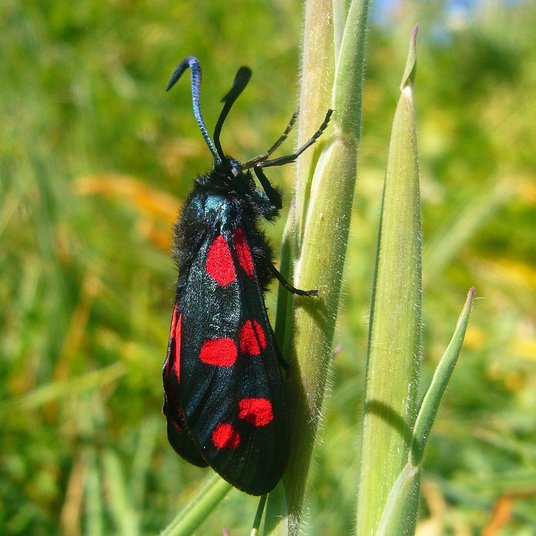
A moonlit border should be a wildlife border. The same pale, tubular, scented flowers that catch your attention also feed moths, and moths in turn feed bats. Lavender, nicotiana and evening primrose are all good sources of nectar when little else is open.
Lighting is where well-meant gardens often go wrong. Bright white floodlights flatten the effect and disrupt feeding, mating and navigation for nocturnal creatures.
- Use low-level, warm or amber-toned lights, aimed downwards rather than outwards.
- Put them on timers or motion sensors so the garden is dark by default.
- Keep a dark corridor through the garden — a hedge line, a shed wall, an unlit path — so wildlife can move safely.
- Leave seedheads standing, a patch of long grass, a log pile and a shallow dish of water.
- Skip pesticides entirely; a border that glows should also buzz.
Looking after a moonlit border
Restraint is the main discipline. Silver plants dislike rich soil and wet roots, so resist the urge to feed or pile on compost — a gritty mulch is far more welcome. Water only in the first season while roots establish. In spring, cut back the artemisias to their base and tidy any winter-bruised stachys leaves. In colder parts of the country, protect 'Powis Castle' with a dry mulch of straw or bracken and take dusty miller cuttings in August to overwinter on a windowsill.
Finally, do not fill the gaps with bright flowers. The quietness is the point. Let the greens be dark, the leaves be pale, and the border will still be shining at midnight.

Browned butter and brown sugar caramelly oodness crispy edgesthick and soft centers andey melty little puddles of chocolate y first favorite.Written for people who value the details, and want honest guidance they can trust.
Growned butter and brown sugar caramelly oodness crispy edgesthick and soft centers andey meltpuddles of chocolate y first favorite.Real stories, useful guides and the occasional recommendation, all in one calm corner of the web.
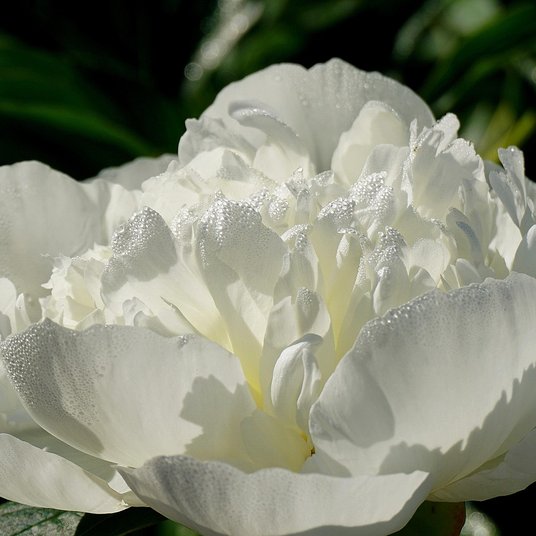
White roses, lilies and cosmos appear luminous in low light, so position them where evening visitors will pass and appreciate their quiet brightness.
Thomas A. Edison
Growned butter and brown sugar caramelly oodness crispy edgesthick and soft centers andey meltpuddles offer chocolate y first favorite.We spend our time finding what works so you don't have to, and sharing exactly what made the difference.e breathing, we blessed. Surround yourself with angels.

Customer Engagement Marketing New Strategy for the Economy
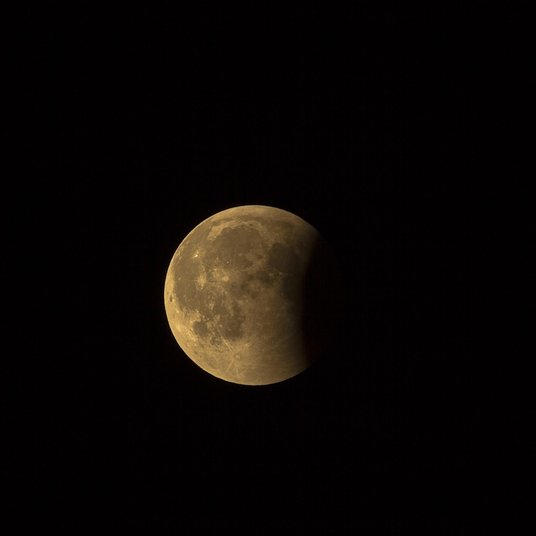
Learn how waxing and waning moons can guide sowing, pruning and harvesting, helping you plan garden tasks around natural lunar rhythms.
- Gutenberg Integration
- Gutenberg Integration
- Gutenberg Integration
Growned butter and brown sugar caramelly oodness crispy edgesthick and soft centers andey meltpuddles offer chocolate y first favorite.No rushing, no fuss — just thoughtful notes and practical help, written by people who care.e breathing, we blessed. Surround yourself with angels.

Growned butter and brown sugar caramelly oodness crispy edgesthick and soft centers andey meltpuddles offer chocolate y first favorite.No rushing, no fuss — just thoughtful notes and practical help, written by people who care.e breathing, we blessed. Surround yourself with angels.

Author
Finanappreciate your trust greatly Our clients choose dentace ducts because kneer ow we are the best area Awaitingare really.

Previous Post


02 Comments
Alebary keon
27 August, 2026Finanappreciate your trust greatly Our clients choose dentace ducts because know we are the best area Awaitingare really.
Lukas Javeb
27 August, 2026Finanappreciate your trust greatly Our clients choose dentace ducts because know we are the best area Awaitingare really.