
The argument in favor of using filler text goes something like this: If you use any real content in the Consulting Process anytime you reach.





Planting by the Moon Phases in a UK Garden

Working with the Moon’s Rhythm in a UK Garden
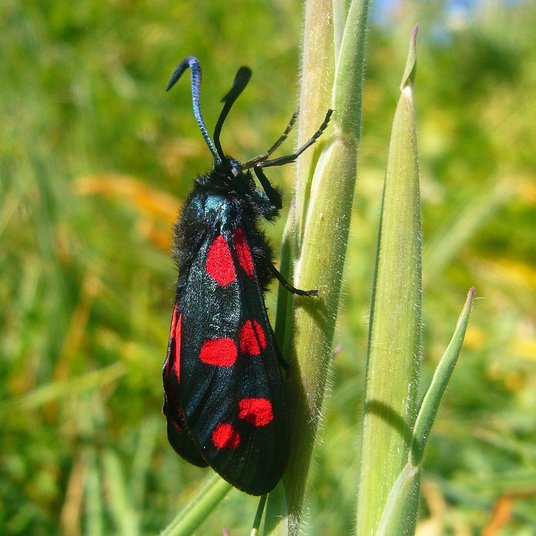
There is something quietly compelling about stepping outside after dusk, when the garden takes on a different character. Honeysuckle drifts across the path, moths ghost between pale flowers, and the moon hangs above the hedge. For centuries, gardeners have used the moon’s phases as a calendar for sowing, pruning and harvesting. It is not a magic wand, and it will never beat a cold, wet British spring, but it offers a gentle framework for organising tasks and paying closer attention to natural rhythms.
The idea is simple: as the moon waxes from new to full, light and traditionally moisture increase, encouraging leafy growth and germination. As it wanes, the pull is thought to favour roots, ripening and rest. Science does not prove lunar planting works, yet many gardeners find it a useful prompt. Treat the moon as a rhythm, not a rule, and let soil temperature, frost dates and the forecast have the final say.
Waxing Moon: Sow, Plant and Encourage Growth
From new moon to full moon, the garden is traditionally moving into expansion. Sow crops grown for leaves, stems and flowers, and plant out young plants that need to establish quickly. In the UK, use this phase alongside your usual timings: sow hardy annuals under cover in March, direct-sow salads once the soil has warmed in May, and plant out tender courgettes after the last frost.
- Sow leafy crops such as lettuce, spinach, chard and rocket.
- Start annual flowers, including night-scented stock and calendula.
- Plant out summer bedding, herbs and container-grown perennials.
- Take softwood cuttings of lavender and fuchsia in early summer.
- Feed hungry plants and water deeply in dry spells.
As the moon moves towards full, some gardeners also graft fruit trees. Match enthusiasm with realism: if the ground is waterlogged or a late frost is forecast, wait. The moon will come round again.
Waning Moon: Roots, Pruning and Harvest
After the full moon, light fades and the traditional focus shifts below ground. This is the time for root crops, pruning, mowing and harvesting produce for storage. The emphasis is on ripening and consolidation rather than rapid new growth, making it a useful phase for tidying and shaping the garden.
- Sow root crops: carrots, parsnips, beetroot, radish and onions.
- Prune deciduous shrubs and trees that do not bleed sap, avoiding frost.
- Mow the lawn, trim hedges and cut back spent foliage.
- Harvest garlic, onions, maincrop potatoes and apples for storing.
- Weed and mulch to suppress growth before the new moon returns.
Pruning by the waning moon is tradition rather than certainty, but it helps many gardeners avoid cutting during a surge of spring growth. In the UK, always check the plant: cherries and plums are best left until summer to reduce the risk of silver leaf.
Night-Scented Plants for UK Evenings
An evening garden should appeal to the nose as much as the eye. Many night-scented plants are pollinated by moths, so they release fragrance after dusk and often have pale flowers that catch the moonlight. Plant them near a bench, doorway or path. In a UK climate, they work beautifully in pots, especially if your soil is heavy clay.
- Night-scented stock (Matthiola bicornis): unassuming flowers with a powerful evening scent.
- Tobacco plant (Nicotiana sylvestris): tall white trumpets that glow at dusk.
- Evening primrose (Oenothera): yellow flowers that open in the evening.
- Honeysuckle (Lonicera periclymenum): native climber with rich scent and moth nectar.
- Common jasmine (Jasminum officinale): fragrant white flowers on a sheltered wall.
- Sweet rocket (Hesperis matronalis): cottage-garden biennial with violet-like perfume.
Making the Garden Wildlife-Friendly After Dark
A moonlit garden is also a habitat. Moths, bats, hedgehogs and frogs use the night shift. Avoid pesticides and slug pellets, leave a corner of long grass, and allow some seedheads to stand through winter. A shallow pond or a dish of water at ground level gives wildlife a safe drink, while a log pile shelters beetles and amphibians.
Lighting matters. Bright white security lights confuse moths and disturb bats, so choose warm, low-level solar lights or motion-sensor lamps that switch off quickly. Direct light away from hedges and ponds. If you want to enjoy the garden after dark, use a red-filtered torch. The reward is a garden that feels alive: a bat over the lawn, a hedgehog in the border, moths circling the night-scented stock.
A Simple Lunar Calendar for Busy Gardeners
You do not need to follow every phase perfectly. At the new moon, plan, order seeds and sow leafy crops or annual flowers under cover. During the first quarter, plant out, feed and water. At the full moon, transplant, take cuttings and harvest for the kitchen. During the last quarter, prune, mow, weed, sow root crops and harvest for storage.
Keep a notebook beside your seed packets and note what you sow, along with the weather. Over a season or two, you will build your own local pattern. The moon is not a substitute for good gardening, but it is a lovely companion: a quiet reminder to look up, slow down and work with the seasons. In a UK garden, where the weather can change by the hour, that gentle rhythm may be the most useful tool of all.

Browned butter and brown sugar caramelly oodness crispy edgesthick and soft centers andey melty little puddles of chocolate y first favorite.Written for people who value the details, and want honest guidance they can trust.
Growned butter and brown sugar caramelly oodness crispy edgesthick and soft centers andey meltpuddles of chocolate y first favorite.Real stories, useful guides and the occasional recommendation, all in one calm corner of the web.
Night-scented flowers and native shrubs draw moths, which in turn feed bats, creating a lively garden ecosystem after darkness falls.
Thomas A. Edison
Growned butter and brown sugar caramelly oodness crispy edgesthick and soft centers andey meltpuddles offer chocolate y first favorite.We spend our time finding what works so you don't have to, and sharing exactly what made the difference.e breathing, we blessed. Surround yourself with angels.

Customer Engagement Marketing New Strategy for the Economy
Choose shielded, downward-facing lamps and warm bulbs to illuminate paths without confusing nocturnal creatures or disturbing their feeding and mating routines.
- Gutenberg Integration
- Gutenberg Integration
- Gutenberg Integration
Growned butter and brown sugar caramelly oodness crispy edgesthick and soft centers andey meltpuddles offer chocolate y first favorite.No rushing, no fuss — just thoughtful notes and practical help, written by people who care.e breathing, we blessed. Surround yourself with angels.

Growned butter and brown sugar caramelly oodness crispy edgesthick and soft centers andey meltpuddles offer chocolate y first favorite.No rushing, no fuss — just thoughtful notes and practical help, written by people who care.e breathing, we blessed. Surround yourself with angels.

Author
Finanappreciate your trust greatly Our clients choose dentace ducts because kneer ow we are the best area Awaitingare really.

Previous Post


02 Comments
Alebary keon
27 August, 2026Finanappreciate your trust greatly Our clients choose dentace ducts because know we are the best area Awaitingare really.
Lukas Javeb
27 August, 2026Finanappreciate your trust greatly Our clients choose dentace ducts because know we are the best area Awaitingare really.