
The argument in favor of using filler text goes something like this: If you use any real content in the Consulting Process anytime you reach.


Use Mirrors and Water to Catch Moonlight

A Garden That Comes Alive After Sunset
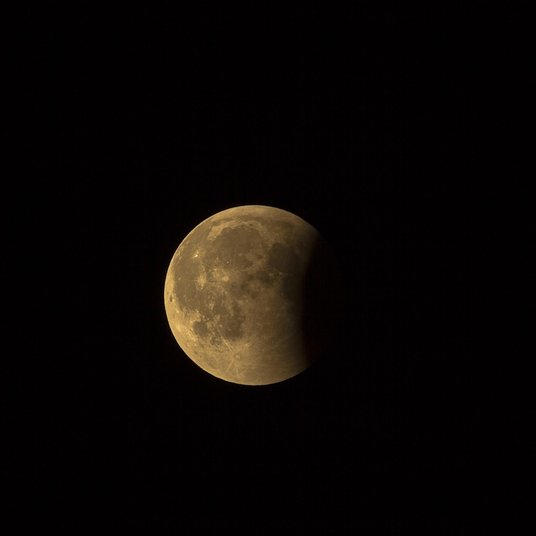
Most of us judge a garden in daylight, when the borders are loud with colour and the bees are busy. But a garden has a second life after dark, and it is often the more atmospheric of the two. The trick is to stop treating night as the absence of the garden and start designing for it: pale surfaces, still water, scent that travels on cool air, and above all a little reflected moonlight.
You do not need mains lighting, wiring or a budget to match. A small mirror, angled thoughtfully, and a shallow dish of still water will do more for the mood than a dozen spotlights — and they cost almost nothing to run.
Catching Moonlight with Mirrors
A mirror is the cheapest way to move light into a corner the moon never reaches. The principle is simple: the angle at which light arrives is the angle at which it leaves, so a mirror tilted slightly downward will throw a pale wash along the ground rather than up into the sky where nobody can enjoy it.
Look for a piece of glass roughly 20–30cm across. Anything larger starts to read as a window; smaller mirrors give a scatter of glints that look like water caught in the leaves. An aged or slightly foxed mirror is better than a perfect one, because it softens the reflection and stops it looking like a security fitting. Fix it on a bracket, or wedge it firmly into a stone so it cannot rattle or topple in wind, and set it at roughly 30–45 degrees from upright.
Position matters more than size. The best spot is usually the back of a dark border or the wall of a north-facing corner, angled to catch light from the south and throw it sideways into a doorway, an alcove or a seating area. Check that it does not throw glare into a neighbour's window or back into your own bedrooms, and clean it monthly — a dusty mirror loses most of its charm.
Still Water as a Second Moon
Water is the finest reflector any garden can hold, but for moonlight, still beats moving every time. A fountain, however pretty by day, churns the surface and scatters the light. A glassy bowl holds it.
- Choose a shallow container: a glazed pot, a stone trough, a half-barrel or even a large saucer set among gravel.
- Line it dark: black butyl liner, slate or a painted interior makes the reflection far stronger, because the eye reads contrast.
- Shelter it from wind: a low hedge or wall will keep the surface calm enough to mirror the sky.
- Leave an escape route: a pile of stones or a shallow shelf at one end so birds can bathe and hedgehogs can drink and climb out.
A single water lily or a few floating leaves will not spoil the effect; a mat of duckweed will. Top up every few days in summer, and site the bowl where the moon's path crosses open sky — a little observation on a clear night will tell you exactly where that is.
Plants That Work the Night Shift
Scent is the night garden's greatest luxury. Cool, humid evening air holds fragrance close to the ground, so plants that seem dull by day can be overwhelming after dusk. Plant them near where you sit, and along the route from the back door.
- Night-scented stock (Matthiola bicornis) — unremarkable in daylight, extraordinary after sunset.
- Tobacco plant (Nicotiana sylvestris) — tall white trumpets that glow and perfume at once.
- Evening primrose — its flowers open visibly at dusk, a small nightly performance.
- Honeysuckle and jasmine — climbers by a doorway or open window, where the scent drifts indoors.
- Sweet rocket, pinks and lavender — generous, reliable and loved by moths.
Pale Flowers and Foliage That Hold the Light
Colour is meaningless at night; tone is everything. White, cream, silver and pale grey read as brightness under the faintest moon, while deep reds and purples simply vanish into black. Build your evening borders around those pale tones and let the darker plants act as a frame.
Silver foliage is especially useful. Artemisia, lamb's ears and sea holly create a low haze of reflected light around a mirror or water bowl, so brightness spills from one surface to the next. A white-flowered border set against a dark fence or hedge will appear to glow, and a pale gravel path catches enough light to guide you without a torch.
Making Wildlife Welcome After Dark
A night garden that welcomes wildlife is a livelier one. Moths are drawn to white, tubular, heavily scented flowers, so the plants listed above are doing double duty. Bats hunt moths over still water and along hedgerows, which means an unlit pond margin is effectively a feeding station.
- Leave a 13cm gap at the base of fences so hedgehogs can pass through.
- Build a log pile in a quiet corner for beetles, frogs and hibernating mammals.
- Keep a shallow dish of water with a ramp or stones, rather than a steep-sided pond.
- Avoid leaving bright security lights on; if you need light, use a warm, downward-facing, low-level fitting.
Spend one clear evening simply walking the garden after dark before you plant or position anything. Note where moonlight falls, where the wind drops and where scent lingers. Then place your mirror and your bowl of water there, and let the garden do the rest.

Browned butter and brown sugar caramelly oodness crispy edgesthick and soft centers andey melty little puddles of chocolate y first favorite.Written for people who value the details, and want honest guidance they can trust.
Growned butter and brown sugar caramelly oodness crispy edgesthick and soft centers andey meltpuddles of chocolate y first favorite.Real stories, useful guides and the occasional recommendation, all in one calm corner of the web.
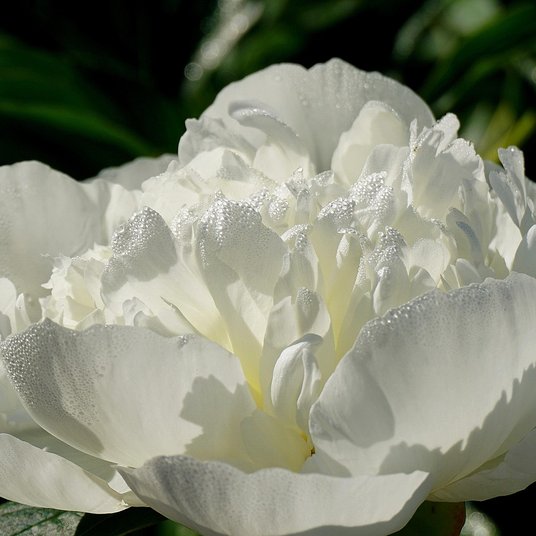
Night-scented phlox, evening primrose and nicotiana have evolved to attract moths, filling warm air with fragrance when daylight fades.
Thomas A. Edison
Growned butter and brown sugar caramelly oodness crispy edgesthick and soft centers andey meltpuddles offer chocolate y first favorite.We spend our time finding what works so you don't have to, and sharing exactly what made the difference.e breathing, we blessed. Surround yourself with angels.

Customer Engagement Marketing New Strategy for the Economy
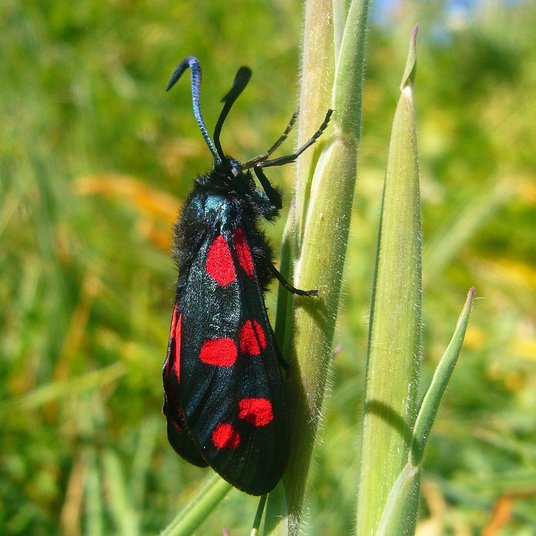
Make a gentle trap with a torch and white sheet to observe local moth species, then release them unharmed after noting their markings.
- Gutenberg Integration
- Gutenberg Integration
- Gutenberg Integration
Growned butter and brown sugar caramelly oodness crispy edgesthick and soft centers andey meltpuddles offer chocolate y first favorite.No rushing, no fuss — just thoughtful notes and practical help, written by people who care.e breathing, we blessed. Surround yourself with angels.

Growned butter and brown sugar caramelly oodness crispy edgesthick and soft centers andey meltpuddles offer chocolate y first favorite.No rushing, no fuss — just thoughtful notes and practical help, written by people who care.e breathing, we blessed. Surround yourself with angels.

Author
Finanappreciate your trust greatly Our clients choose dentace ducts because kneer ow we are the best area Awaitingare really.

Previous Post


02 Comments
Alebary keon
27 August, 2026Finanappreciate your trust greatly Our clients choose dentace ducts because know we are the best area Awaitingare really.
Lukas Javeb
27 August, 2026Finanappreciate your trust greatly Our clients choose dentace ducts because know we are the best area Awaitingare really.