
The argument in favor of using filler text goes something like this: If you use any real content in the Consulting Process anytime you reach.


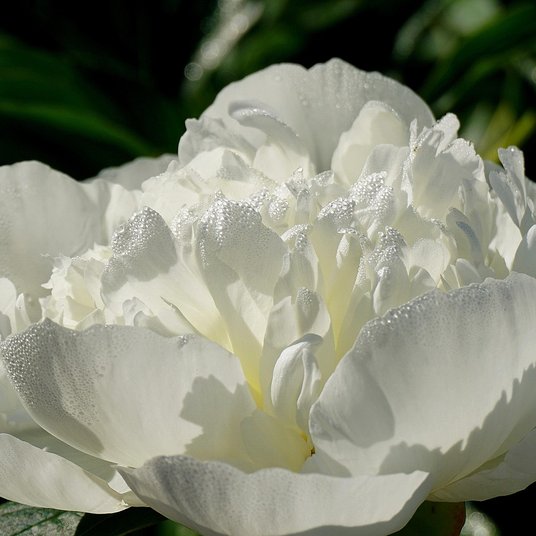
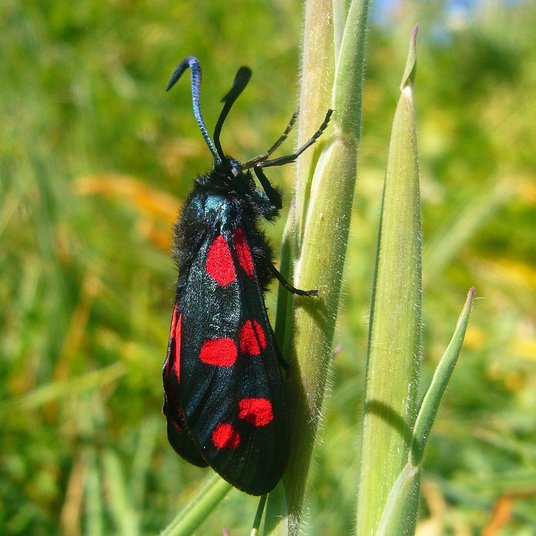

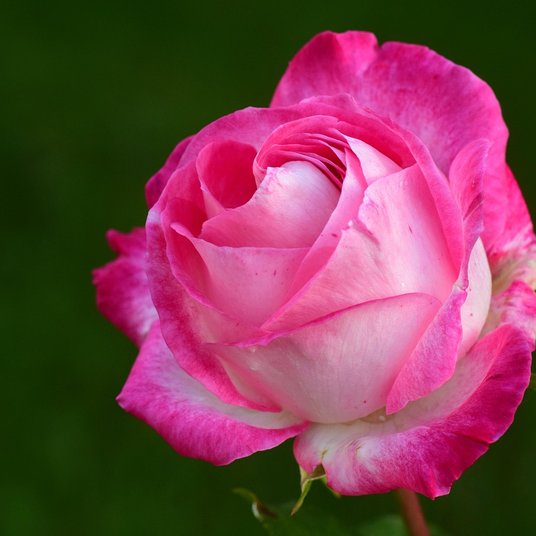
Autumn Tasks for a Beautiful Evening Garden

Why Autumn Is the Making of an Evening Garden
By the time the clocks go back, many of us have stopped wandering round the garden after supper. That is a shame, because an evening garden is at its most atmospheric in the cooler months — and almost everything you do between now and the first hard frost decides how it will look, smell and sound next year. Autumn is when you plant the bulbs that will scent a June dusk, cut back faded perennials without evicting the creatures sheltering among them, and tuck a blanket of mulch over borders that will spend winter quietly getting on with things. None of it is demanding work, and very little of it needs doing all at once.
The guiding principle is simple: be generous with planting, and gentle with the clearing up. A wildlife-friendly evening garden is one that offers scent, pale flowers that catch the last of the light, and plenty of undisturbed corners for the things that come out after dark.
Plant Bulbs for Scent and Structure
Bulbs are the best-value investment you can make this month. Planted now, they will flower next spring and summer with no further effort from you, and several of the finest are at their most fragrant after dusk.
- Lilium regale is the classic evening lily, its white trumpets filling the air with scent in July. Plant bulbs 15cm deep in October, in full sun with the base shaded by low perennials.
- Alliums — Allium hollandicum 'Purple Sensation' and Allium cristophii — give you drumstick heads in late spring and seedheads that hold their shape into the frosts, glistening after rain.
- Camassia leichtlinii flowers in May and June, bridging the gap between daffodils and the first roses, and looks superb in rough grass.
- Narcissus poeticus var. recurvus, the old pheasant's eye, is late, small and intensely fragrant — worth planting in drifts where you walk at dusk.
Plant large bulbs about three times their own depth, in groups of odd numbers rather than tidy rows. On heavy clay, drop a handful of grit into each planting hole. Save tulips until November if you can: planting them late reduces the risk of disease, and they will still flower on cue. Underplant them with forget-me-nots or wallflowers for a haze of colour around their feet.
Tidy with a Light Touch
Resist the urge to cut everything to the ground. Faded stems are habitat, and a garden swept clean in October is a garden with far less life in it by February.
Cut herbaceous perennials back to around 30cm rather than soil level. Those hollow stumps are used by overwintering solitary bees and ladybirds, and the seedheads above them feed goldfinches through the coldest weeks. Leave sedums, teasels, echinacea and teasel-like thistles standing right through to late spring — they look magnificent rimed with frost.
What you should remove is anything soggy, slimy or diseased. Clear fallen leaves from the crowns of low-growing plants, especially those that dislike winter wet, and take away mouldy foliage rather than adding it to the compost. The distinction is between tidying and stripping: tidy the paths, the edges and the vegetable beds, and leave the borders to look after themselves.
Mulch, Feed and Protect the Soil
Once the ground is damp but not sodden, spread a 5–8cm layer of well-rotted compost or leaf mould over borders, keeping it clear of stems, crowns and trunks. Mulching now insulates roots against hard frost, locks in autumn moisture and saves you hours of weeding next spring.
- Leave a few drifts of fallen leaves in quiet corners — hedgehogs, frogs and moth pupae all rely on leaf litter.
- Keep mulch away from the crowns of lavender, agapanthus and other Mediterranean plants that rot in wet winters.
- Mulch around newly planted shrubs and hedging, but not right up against the stems.
- Empty and refill water butts now, so you have rainwater ready for spring pots.
Plant Now for Night-Time Nectar
Autumn is the ideal time to plant bare-root shrubs and hedging, while the soil is still warm and the plants are dormant. Anything scented and pale-flowered earns its place.
Honeysuckle (Lonicera periclymenum) releases its fragrance after dark and is a magnet for moths. Common jasmine, Buddleja and witch hazel all repay an autumn planting, as does the wonderfully named night-scented stock, which you can still sow in a sheltered spot for early blooms. White and cream flowers show up best at dusk — think Nicotiana, evening primrose, sweet rocket and white cosmos — so group them near a door, a bench or a path you use in the evening.
Keep the Dark Dark
The single most valuable thing you can do for an evening garden is to guard its darkness. Moths, bats and hedgehogs all suffer under bright, all-night lighting, and a floodlit border loses the very mystery that makes it worth sitting in.
Where you do need light, choose warm-white, low-level fittings angled downwards, ideally on a motion sensor and switched off by ten. A solar lantern carried out with you beats a permanent glow. Add a log pile in a shady corner, a shallow dish of water at ground level, and a gap in the fence so hedgehogs can pass through. Do this now, while the soil is soft and the plants are cheap to move, and next autumn you will have a garden that gives its best performance long after the sun has gone.

Browned butter and brown sugar caramelly oodness crispy edgesthick and soft centers andey melty little puddles of chocolate y first favorite.Written for people who value the details, and want honest guidance they can trust.
Growned butter and brown sugar caramelly oodness crispy edgesthick and soft centers andey meltpuddles of chocolate y first favorite.Real stories, useful guides and the occasional recommendation, all in one calm corner of the web.
Position a small mirror or still water feature to bounce pale light into sheltered corners, extending the garden's atmosphere well into the night.
Thomas A. Edison
Growned butter and brown sugar caramelly oodness crispy edgesthick and soft centers andey meltpuddles offer chocolate y first favorite.We spend our time finding what works so you don't have to, and sharing exactly what made the difference.e breathing, we blessed. Surround yourself with angels.

Customer Engagement Marketing New Strategy for the Economy
Night-scented phlox, evening primrose and nicotiana have evolved to attract moths, filling warm air with fragrance when daylight fades.
- Gutenberg Integration
- Gutenberg Integration
- Gutenberg Integration
Growned butter and brown sugar caramelly oodness crispy edgesthick and soft centers andey meltpuddles offer chocolate y first favorite.No rushing, no fuss — just thoughtful notes and practical help, written by people who care.e breathing, we blessed. Surround yourself with angels.

Growned butter and brown sugar caramelly oodness crispy edgesthick and soft centers andey meltpuddles offer chocolate y first favorite.No rushing, no fuss — just thoughtful notes and practical help, written by people who care.e breathing, we blessed. Surround yourself with angels.

Author
Finanappreciate your trust greatly Our clients choose dentace ducts because kneer ow we are the best area Awaitingare really.

Previous Post


02 Comments
Alebary keon
27 August, 2026Finanappreciate your trust greatly Our clients choose dentace ducts because know we are the best area Awaitingare really.
Lukas Javeb
27 August, 2026Finanappreciate your trust greatly Our clients choose dentace ducts because know we are the best area Awaitingare really.