
The argument in favor of using filler text goes something like this: If you use any real content in the Consulting Process anytime you reach.


Warm White Bulbs Versus Cool White in Gardens
Why Colour Temperature Matters After Dark
Walk along any garden centre lighting aisle and you will meet the same three labels: warm white, cool white, daylight. What they describe is colour temperature, measured in kelvin. A candle flame sits near 1,800K, an old filament bulb around 2,700K, a typical cool white LED nearer 4,000K, and the harsh floodlights sold for driveways and yards can reach 6,000K or beyond. The higher the number, the more blue light is packed into the beam — and blue is exactly what nocturnal wildlife responds to most strongly.
So the choice is not simply aesthetic. It decides how much of the garden remains usable for moths, bats, hedgehogs and frogs after sunset, and how much you trade atmosphere for raw visibility.
What Warm White Does Brilliantly
Warm white, at around 2,200K to 2,700K, is the closest thing to firelight and moonlight that a modern fitting offers. It scatters less in damp air, so a misty October evening looks soft rather than milky. It flatters pale flowers, gravel and bark instead of turning foliage a grey-green. It also produces far less glare, which matters more than many gardeners realise: a dazzling source makes pupils contract, so you actually see less of the garden around it.
- Choose 2,700K as a sensible default, or 2,200K amber for borders and seating areas.
- Warm light renders reds, ambers and creams well, which suits autumn colour and terracotta.
- It is gentler on the eye at low levels, so 50–100 lumens can be enough for an accent.
- The trade-off is detail: for reading a keyhole or judging a step, warm white is slightly less crisp.
Where Cool White Still Earns Its Place
Cool white is not the enemy, thoughtless cool white is. There are genuine tasks where crisp light helps: the top and bottom of a flight of steps, a change of level on a sloping path, the bin store, the shed door, a spot where you are cutting back a hedge at nine in the evening in September.
Use it sparingly, briefly and precisely. Aim for 3,000K to 4,000K rather than 6,000K, keep the fitting shielded and pointed downwards, and put it on a motion sensor with a one or two minute run-on time. A short burst of cool light when you need it does far less harm than a warm lamp burning all night.
Moths, Bats and the Pull of the Lamp
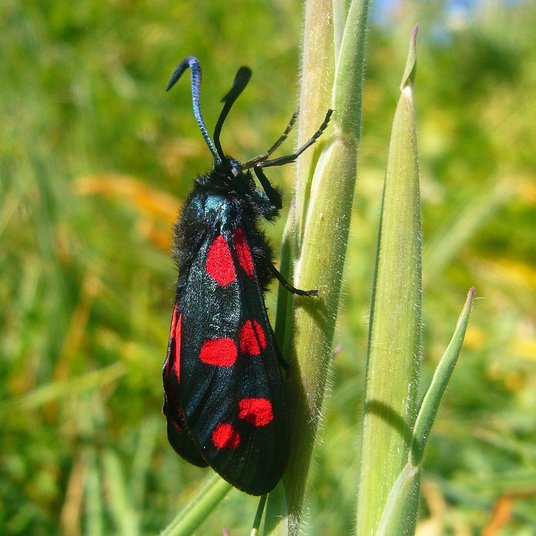
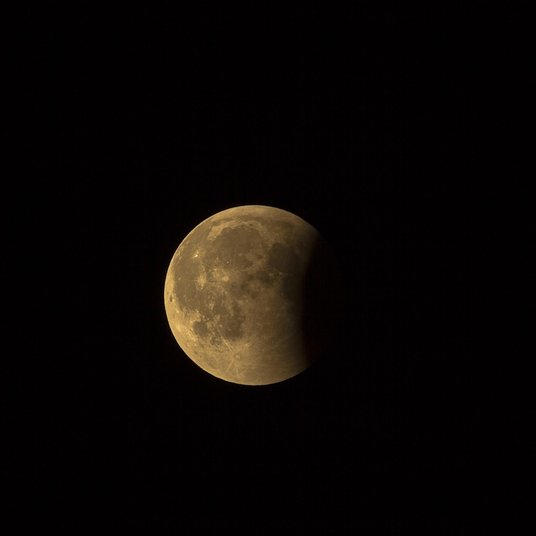
Many moths navigate partly by the moon and are disorientated by blue-rich artificial light. They spiral towards it, exhaust themselves circling, stop feeding and become easy pickings for bats. Since night-flying moths pollinate honeysuckle, campion, evening primrose and many other plants, a bright lamp can quietly reduce pollination in your own borders.
Bats are more complicated. Faster species such as pipistrelles will happily hunt insects gathered around a light, gaining a quick meal. But light-averse species — brown long-eared, barbastelle, greater horseshoe — will abandon commuting routes and roosts that become lit. A single cool white floodlight aimed along a boundary hedge can sever a corridor that took years to establish. Hedgehogs, frogs and newts also tend to avoid lit ground, and birds nearby may start singing earlier than they should.
Practical Lighting That Works for Everyone
- Stay at 2,700K or below for anything left on for long periods.
- Mount low and aim down. Path lights at 60–90cm, with hoods or cowls, spill far less sideways.
- Never uplight trees or walls. Upward light is the most disruptive and the least useful.
- Dim and time it. Bring lights on later in the evening and switch them off by 11pm; most moth activity happens in the first hours after dusk.
- Use red or amber for routes. Light around 600–620nm barely registers with many insects, so a red step light guides you without emptying the border.
- Beware cheap solar stakes. They are often 6,000K or higher, and there is nothing to dim.
Total light matters as much as colour: 200–300 lumens is plenty for a path, and 50 lumens will pick out a sculpture or a pot quite adequately.
Designing a Border That Glows Without Floodlights
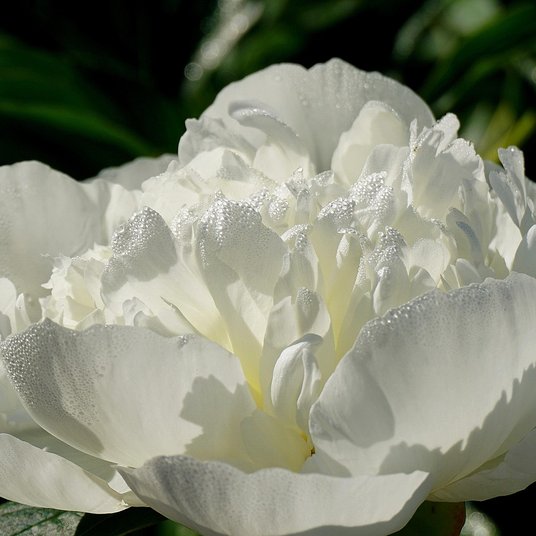
The loveliest evening gardens rely on plants rather than lamps. Pale flowers reflect moonlight and starlight, and night-scented species do the work of drawing you out. Plant night-scented stock, tobacco plant, evening primrose, sweet rocket, night phlox, common jasmine and honeysuckle close to seating, doorways and paths so the scent reaches you as you walk.
Group white and cream flowers in drifts rather than dotting them about, and add silver foliage such as lamb's ears or artemisia to catch what little light there is. A gravel path, a pale stone edge or a light-coloured bench will hold the glow beautifully. Do this, keep your warm white fittings low and few, and the garden after dark becomes somewhere worth sitting — for you and for the creatures that use it when you have gone indoors.

Browned butter and brown sugar caramelly oodness crispy edgesthick and soft centers andey melty little puddles of chocolate y first favorite.Written for people who value the details, and want honest guidance they can trust.
Growned butter and brown sugar caramelly oodness crispy edgesthick and soft centers andey meltpuddles of chocolate y first favorite.Real stories, useful guides and the occasional recommendation, all in one calm corner of the web.
Climbing jasmine and honeysuckle release rich perfume in the evening, so train them around pergolas or arches close to benches and dining spots.
Thomas A. Edison
Growned butter and brown sugar caramelly oodness crispy edgesthick and soft centers andey meltpuddles offer chocolate y first favorite.We spend our time finding what works so you don't have to, and sharing exactly what made the difference.e breathing, we blessed. Surround yourself with angels.

Customer Engagement Marketing New Strategy for the Economy
Use deep, sturdy pots with trellises for jasmine, honeysuckle or sweet peas, ensuring roots stay cool and moisture lasts through summer nights.
- Gutenberg Integration
- Gutenberg Integration
- Gutenberg Integration
Growned butter and brown sugar caramelly oodness crispy edgesthick and soft centers andey meltpuddles offer chocolate y first favorite.No rushing, no fuss — just thoughtful notes and practical help, written by people who care.e breathing, we blessed. Surround yourself with angels.

Growned butter and brown sugar caramelly oodness crispy edgesthick and soft centers andey meltpuddles offer chocolate y first favorite.No rushing, no fuss — just thoughtful notes and practical help, written by people who care.e breathing, we blessed. Surround yourself with angels.

Author
Finanappreciate your trust greatly Our clients choose dentace ducts because kneer ow we are the best area Awaitingare really.

Previous Post


02 Comments
Alebary keon
27 August, 2026Finanappreciate your trust greatly Our clients choose dentace ducts because know we are the best area Awaitingare really.
Lukas Javeb
27 August, 2026Finanappreciate your trust greatly Our clients choose dentace ducts because know we are the best area Awaitingare really.