
The argument in favor of using filler text goes something like this: If you use any real content in the Consulting Process anytime you reach.


Create a Wildlife Pond That Comes Alive at Night

Why the Pond Comes Alive After Dark
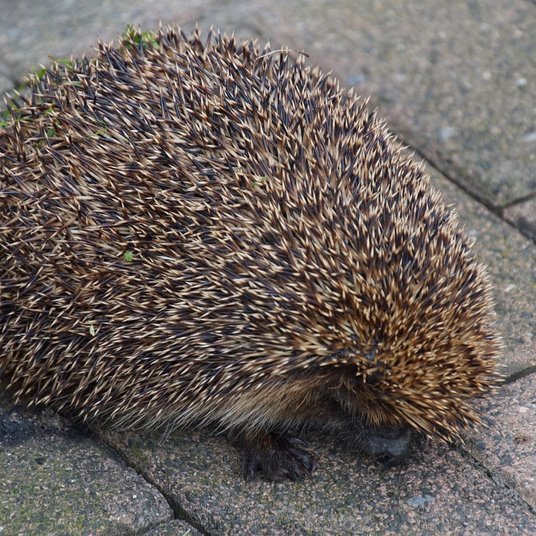
A pond is the single best thing you can add to a garden for wildlife, and the strangest thing is how little of its business happens in daylight. Once the light goes, the whole thing becomes a working ecosystem. Frogs leave the water to hunt slugs across damp borders, newts cruise the shallows, bats dip in for a drink between beats, and hedgehogs arrive to drink and to hoover up beetles at the margins.
Build one properly and you get a soundtrack with it: a soft plop, the rustle of something heavy shifting through vegetation, a splash that tells you a frog has just launched itself off a leaf. Here is how to get it right, from the first spadeful of soil onwards.
Choosing the Spot and Getting the Shape Right
Position matters more than size. Aim for somewhere with four to six hours of sun a day but a little shade at midday, away from deciduous trees that will fill it with leaves, and away from overhanging branches where cats can lurk.
On shape, think slopes, not walls. Steep vertical sides are fine for fish and useless for wildlife, because anything that falls in cannot get out.
- Aim for a minimum of 1.5m by 1m, with a centre depth of 60–75cm so it does not dry out or freeze solid.
- Grade the sides gently, and include one or two shallow shelves around 20–30cm deep for planting baskets.
- Add a stony beach along one edge — a shallow ramp of gravel and flat stones gives frogs, hedgehogs, birds and beetles a way in and out.
- Line with butyl or a pre-formed liner, then lay a thin layer of subsoil or spent potting compost over the bottom to help plants root. Skip the gravel-and-coin routine you might have read about; it does nothing.
Fill it with rainwater from a butt if you possibly can. Tap water carries nutrients and chloramine, which fuels algae and does the pond no favours at all.
Planting the Pond Itself
Choose British natives and keep them contained. Use open baskets lined with hessian, topped off with washed gravel, so plants do not turn the whole pond into a bog. Good choices include water forget-me-not, marsh marigold, water mint, ragged robin, lesser spearwort and bogbean for the shallow shelves, with hornwort or spiked water milfoil as oxygenators.
Cover roughly a third of the surface with floating leaves — a native water lily or amphibious bistort will do — leaving the rest open. The cover gives tadpoles somewhere to hide from herons, and the open patches let bats and dragonflies hunt.
Never plant floating pennywort, water fern, parrot's feather or New Zealand pygmyweed. These are invasive and will wreck both your pond and, eventually, someone else's river.
Night-Scented Planting Around the Edges
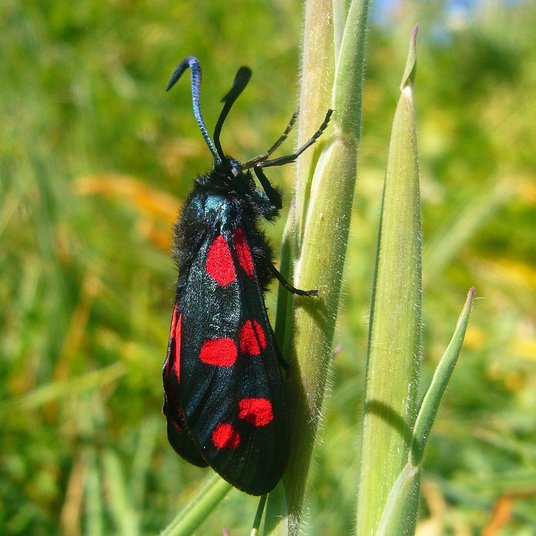
The plants surrounding the water matter as much as the ones in it, because they pull moths in, and moths pull in bats.
- Night-scented stock — stagger sowings for scent from May to September.
- Evening primrose — tall, yellow, and glowing at dusk.
- Tobacco plant and honeysuckle — both reliable moth magnets close to the water's edge.
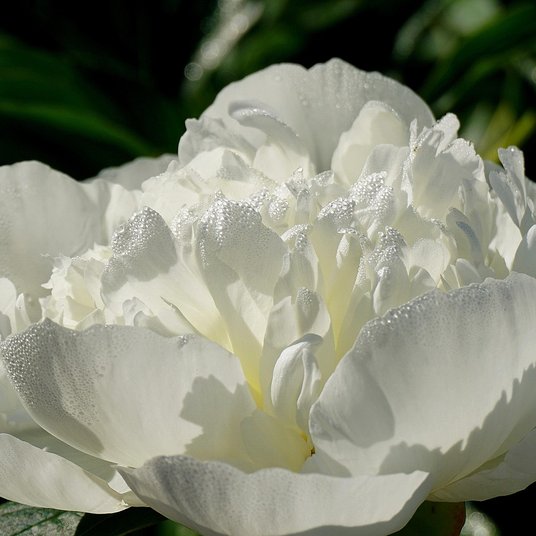
- White flowers such as ox-eye daisy, meadow sweet and jasmine — pale petals read as beacons in low light.
Let the margins grow a bit shaggy. Native sedges, soft rushes and a patch of long grass give amphibians daytime cover and somewhere to hunt on damp nights.
Small Details That Save Lives
Wildlife gardening is mostly about removing hazards. Keep these points in mind and your pond will repay you tenfold.
- No fish. They eat spawn, tadpoles and larvae, and they turn clear water green.
- No slug pellets. Frogs and hedgehogs eat poisoned slugs and die with them.
- No pesticides or fertiliser anywhere in the surrounding borders.
- Escape routes for anything that tumbles in — stones, logs and planted margins rather than shiny liner.
- Leave a wild corner: a log pile, a stack of stones and some leaf litter for hibernation.
Lighting It Without Ruining It
This is where most evening gardens go wrong. A bright white floodlight over the water will scatter almost everything you have worked to attract. Instead, use low, warm-toned lights placed away from the pond edge, or a motion-sensor fitting that gives a brief glow when you walk past. A small red-filtered torch is ideal for watching newts without disturbing them. Keep the pond margins dark, and let the moon do the rest.
What You'll Hear Once It's Working
Give it a season and the pond will find its own residents. Frogs usually arrive first, often within weeks, and by the following spring you may be lifting spawn out by the handful for neighbours' ponds. Smooth and palmate newts are slower to colonise but far more entertaining, performing slow, twisting courtship dances in the shallows after dark.
Come summer, you will hear the plop of frogs dropping back into the water as you approach, the tick of bats echolocating overhead, and the odd rustle of a hedgehog working the margins. Resist the urge to tidy up in autumn. Leave seed heads and dead stems standing until late spring — those hollow stalks are winter bedrooms for insects, and the insects feed everything else.
Let the leaves fall in, net out the excess, and keep the ice broken in a hard frost by floating a ball on the surface rather than smashing it. Beyond that, do very little. The best night gardens are the ones the gardener largely leaves alone.

Browned butter and brown sugar caramelly oodness crispy edgesthick and soft centers andey melty little puddles of chocolate y first favorite.Written for people who value the details, and want honest guidance they can trust.
Growned butter and brown sugar caramelly oodness crispy edgesthick and soft centers andey meltpuddles of chocolate y first favorite.Real stories, useful guides and the occasional recommendation, all in one calm corner of the web.
Compare colour temperatures for outdoor lighting, balancing visibility and atmosphere while reducing disruption to moths, bats and other nocturnal wildlife.
Thomas A. Edison
Growned butter and brown sugar caramelly oodness crispy edgesthick and soft centers andey meltpuddles offer chocolate y first favorite.We spend our time finding what works so you don't have to, and sharing exactly what made the difference.e breathing, we blessed. Surround yourself with angels.

Customer Engagement Marketing New Strategy for the Economy
Climbing jasmine and honeysuckle release rich perfume in the evening, so train them around pergolas or arches close to benches and dining spots.
- Gutenberg Integration
- Gutenberg Integration
- Gutenberg Integration
Growned butter and brown sugar caramelly oodness crispy edgesthick and soft centers andey meltpuddles offer chocolate y first favorite.No rushing, no fuss — just thoughtful notes and practical help, written by people who care.e breathing, we blessed. Surround yourself with angels.

Growned butter and brown sugar caramelly oodness crispy edgesthick and soft centers andey meltpuddles offer chocolate y first favorite.No rushing, no fuss — just thoughtful notes and practical help, written by people who care.e breathing, we blessed. Surround yourself with angels.

Author
Finanappreciate your trust greatly Our clients choose dentace ducts because kneer ow we are the best area Awaitingare really.

Previous Post


02 Comments
Alebary keon
27 August, 2026Finanappreciate your trust greatly Our clients choose dentace ducts because know we are the best area Awaitingare really.
Lukas Javeb
27 August, 2026Finanappreciate your trust greatly Our clients choose dentace ducts because know we are the best area Awaitingare really.