
The argument in favor of using filler text goes something like this: If you use any real content in the Consulting Process anytime you reach.




Understand Lunar Cycles for Sowing and Pruning

A Rhythm Older Than Rotas
Long before grow-your-own became a spreadsheet exercise, gardeners worked to a rhythm they could see. The moon waxed, sap rose, seeds went in; the moon waned, growth slowed and the knife came out. Much of that old wisdom is folklore rather than controlled trial, but it survives because it offers something a calendar cannot: a gentle, repeatable schedule that nudges you outside at the right moment. Treat it as a rhythm rather than a rulebook and it becomes a genuinely useful way to organise the month.
The lunar cycle runs roughly 29.5 days from one new moon to the next. Split it into four quarters and you have a simple fortnightly rhythm for sowing, pruning, feeding and harvesting — and a good excuse to be in the garden after dark, which is when half its life is busy anyway.
Reading the Four Phases
Traditional lunar gardening divides the month by how much light the moon throws down and, by extension, how the tides of sap are said to move. You do not need an almanac to follow it — a wall calendar with moon phases, or a glance out of the bedroom window, is plenty.
- New moon to first quarter: light increasing, growth encouraged. The classic window for sowing anything you want to swell above ground.
- First quarter to full moon: peak vigour. Strong germination, rapid leaf growth, good for transplanting seedlings and taking softwood cuttings.
- Full moon to last quarter: light beginning to fall. Sap supposedly retreats. Time to harvest, prune and gather for storage.
- Last quarter to new moon: the resting phase. Root activity dominates — the traditional moment for root crops, dividing perennials and reshaping shrubs.
Sowing Leafy Crops on a Waxing Moon
If you take one habit from lunar gardening, make it this: sow crops grown for their leaves and fruits while the moon is filling. Think lettuce, spinach, chard, rocket, kale, mustard greens, herbs such as coriander and basil, and quick salad leaves for cut-and-come-again.
Sow in the first few days after a new moon, when the ground is warm enough and the soil is workable rather than claggy. Keep a fortnightly succession going right through the waxing phases and you will have a steady supply of tender leaves rather than a single glut in July. Peas, beans, courgettes, tomatoes and cucumbers also sit comfortably in this half of the month.
None of this will rescue seed sown into cold, waterlogged clay. The moon is a prompt, not a substitute for good husbandry.
Pruning, Roots and the Waning Moon
The waning fortnight is when the tradition turns to underground growth and to cutting back. The logic is easy to remember: what you want to encourage, do while the moon grows; what you want to restrain or gather, do while it shrinks.
- Root crops: carrots, parsnips, beetroot, radishes, turnips and potatoes are traditionally sown in the last quarter. Onions and garlic sets, too.
- Pruning: shrubs you want to keep compact — lavender, buddleja, hardy fuchsia, wisteria whips, fruit trees and soft fruit bushes — are cut in the week after the full moon.
- Feeding and mulching: the waning moon is also the folk moment for liquid feeds and for spreading compost, on the grounds that the soil is receptive.
- Harvesting for storage: apples, onions, garlic and maincrop roots lifted in the waning phase are said to keep better.
Two practical cautions override any lunar date. Do not prune in hard frost, which risks dieback, and never cut hedges or shrubs between March and August where birds may be nesting — that is a legal matter under the Wildlife and Countryside Act 1981, not a matter of folklore.
Planting for the Evening Shift
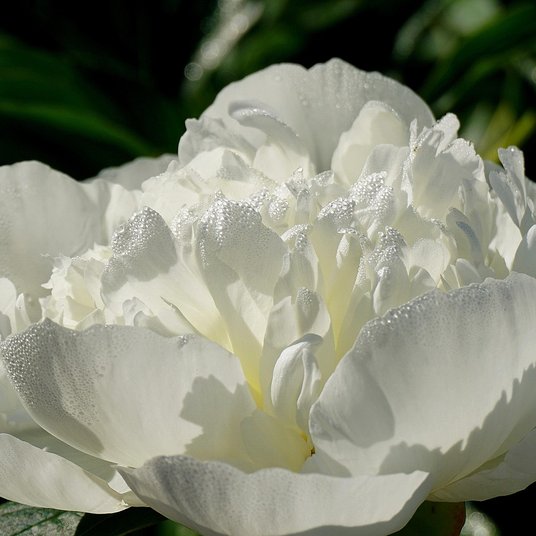
A moonlit garden rewards planting for scent rather than sight. Pale flowers glow under a full moon and are exactly what night-flying pollinators are hunting for. Choose whites, creams, soft yellows and pale lilacs, and prioritise scent released after dusk.
- Night-scented stock — easy from seed, unbeatable on a warm evening.
- Tobacco plant — tall, pale and powerfully perfumed, especially the Nicotiana sylvestris types.
- Evening primrose — luminous yellow flowers that open in seconds at dusk.
- Sweet rocket and night phlox — cottage-garden staples with a clove-and-vanilla fragrance.
- Honeysuckle and summer jasmine — climbing structure with evening scent built in.
Welcoming Wildlife After Dark
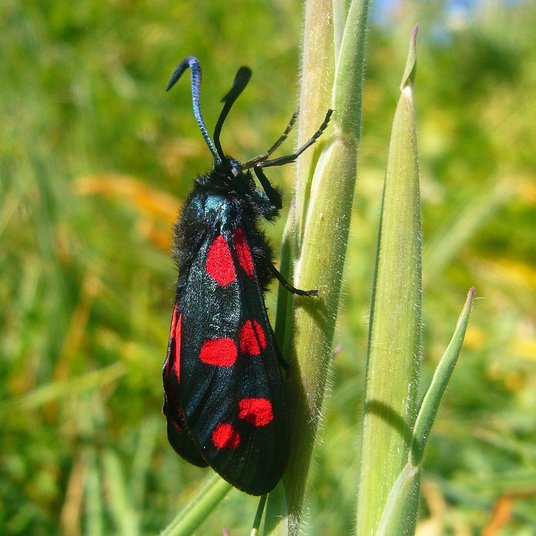
Moths outnumber butterflies many times over in most British gardens and do far more pollinating than they are given credit for, but they need dark. Swap harsh white security floods for low, warm, downward-facing lights on short motion timers, and leave a genuinely dark corner where nothing shines at all.
Add a shallow dish of water at ground level for hedgehogs, a small log pile for beetles and overwintering larvae, and a few night-scented pots near a bench so you can sit out and listen. Bats will follow the moths, and a pond — however small — brings them in closer.
Keep the rhythm loose. Note the moon phase in your diary alongside what you sowed and cut, and after a season or two you will have your own records, on your own soil, which is worth more than any inherited rule.

Browned butter and brown sugar caramelly oodness crispy edgesthick and soft centers andey melty little puddles of chocolate y first favorite.Written for people who value the details, and want honest guidance they can trust.
Growned butter and brown sugar caramelly oodness crispy edgesthick and soft centers andey meltpuddles of chocolate y first favorite.Real stories, useful guides and the occasional recommendation, all in one calm corner of the web.
A shallow pond with native plants encourages frogs, newts and insects, bringing rustles, splashes and hunting visits to your garden after dark.
Thomas A. Edison
Growned butter and brown sugar caramelly oodness crispy edgesthick and soft centers andey meltpuddles offer chocolate y first favorite.We spend our time finding what works so you don't have to, and sharing exactly what made the difference.e breathing, we blessed. Surround yourself with angels.

Customer Engagement Marketing New Strategy for the Economy
Compare colour temperatures for outdoor lighting, balancing visibility and atmosphere while reducing disruption to moths, bats and other nocturnal wildlife.
- Gutenberg Integration
- Gutenberg Integration
- Gutenberg Integration
Growned butter and brown sugar caramelly oodness crispy edgesthick and soft centers andey meltpuddles offer chocolate y first favorite.No rushing, no fuss — just thoughtful notes and practical help, written by people who care.e breathing, we blessed. Surround yourself with angels.

Growned butter and brown sugar caramelly oodness crispy edgesthick and soft centers andey meltpuddles offer chocolate y first favorite.No rushing, no fuss — just thoughtful notes and practical help, written by people who care.e breathing, we blessed. Surround yourself with angels.

Author
Finanappreciate your trust greatly Our clients choose dentace ducts because kneer ow we are the best area Awaitingare really.

Previous Post


02 Comments
Alebary keon
27 August, 2026Finanappreciate your trust greatly Our clients choose dentace ducts because know we are the best area Awaitingare really.
Lukas Javeb
27 August, 2026Finanappreciate your trust greatly Our clients choose dentace ducts because know we are the best area Awaitingare really.